

By Vishal Chakravarty
Cross-border pharmaceutical market entry fails most often not because companies lack commercial strategy, but because they underestimate regulatory infrastructure requirements. The operational distance between identifying a market opportunity and legally distributing products in that market is measured in compliance systems, not marketing plans.
This gap creates a selection mechanism. Companies that build regulatory capability before pursuing market access succeed. Those that treat compliance as administrative overhead to be minimized fail inspection, face product rejections, or operate in persistent violation until enforcement action occurs.
The distinction matters because pharmaceutical regulation is not negotiable. Unlike commercial terms that can be renegotiated or competitive strategies that can pivot, regulatory requirements are binary: either systems meet standards or they do not. Market entry depends on demonstrating compliance before authorization, not achieving compliance after revenue begins.
The Regulatory Infrastructure Prerequisite
Before a pharmaceutical company can legally distribute products across borders, it must establish several critical capabilities:
Quality Management Systems meeting Good Manufacturing Practice or Good Distribution Practice standards as applicable to the business model. These systems require documented procedures, validated processes, trained personnel, and audit trails demonstrating consistent adherence to quality standards.
Qualified Person Certification arrangements ensuring appropriate pharmaceutical oversight. For UK operations, this requires UK-resident QPs with recognized qualifications. For EU operations, EEA-based QPs. Companies cannot appoint QPs retroactively when market entry timing demands it; QP recruitment, qualification verification, and authorization processes require advance preparation.
Pharmacovigilance Systems capable of monitoring product safety, reporting adverse events to appropriate authorities, and managing safety signals. These systems must exist before product distribution begins, not constructed reactively after safety issues emerge.
Supply Chain Traceability Infrastructure enabling complete product tracking from source to patient. This includes serialization where required, temperature monitoring for cold chain products, and documentation systems establishing chain of custody throughout distribution.
Regulatory Affairs Capacity to prepare submissions, respond to regulatory queries, manage variations, and maintain ongoing compliance with evolving requirements across target jurisdictions.
The timing constraint: these capabilities require months to years to establish properly. They cannot be accelerated through capital alone. A company identifying a market opportunity in Q1 cannot realistically achieve compliant market entry by Q2 unless infrastructure already exists.
Pre-Market Regulatory Gap Analysis
Compliance-driven market entry begins with systematic gap analysis assessing current capabilities against target market requirements.
This analysis maps three dimensions:
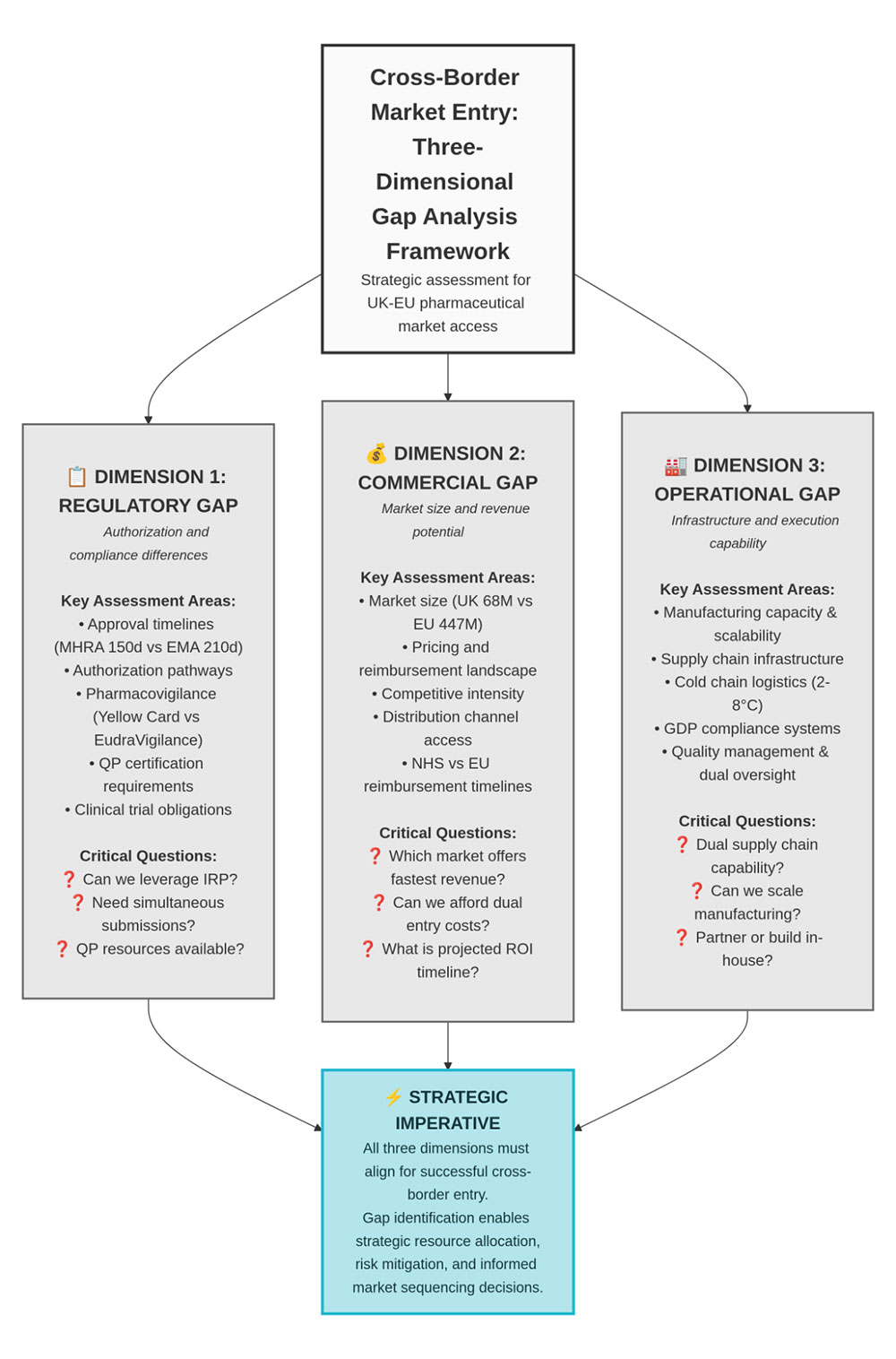
Figure 1. Cross-Border Market Entry: Three-Dimensional Gap Analysis Framework
* Click the image to enlarge
Regulatory Requirement Identification: Comprehensive documentation of all applicable regulations in target jurisdiction. For UK pharmaceutical distribution, this includes MHRA licensing requirements, GDP compliance standards, labeling regulations, pharmacovigilance obligations, and any product-specific requirements. For EU markets, parallel analysis of EMA frameworks, member state variations, and centralized versus decentralized procedure applicability.
Current State Assessment: Honest evaluation of existing systems and capabilities. Does the company currently maintain GMP or GDP-compliant facilities? Are quality systems documented and validated? Do existing personnel hold required qualifications? Is pharmacovigilance infrastructure operational? Can current documentation systems satisfy regulatory submission requirements?
Gap Quantification: Specific identification of discrepancies between current state and target requirements. This includes infrastructure gaps requiring facility modification or new site establishment, personnel gaps requiring recruitment or qualification upgrades, system gaps necessitating new quality management or documentation systems, and process gaps where current operating procedures do not meet target jurisdiction standards.
The output: a compliance roadmap with concrete actions, realistic timelines, and resource requirements. This roadmap establishes the actual timeline for market entry based on regulatory capability development rather than commercial ambition.
Risk-Based Compliance Prioritization
Not all regulatory requirements carry equal risk. Compliance-driven approaches prioritize resources toward highest-impact areas.
Critical Quality Attributes receive primary focus. For pharmaceutical distribution, this includes product storage conditions (especially temperature control for thermolabile products), batch traceability systems enabling rapid recall if safety issues emerge, supplier qualification ensuring product sourcing from legitimate GMP-compliant manufacturers, and QP oversight of all distributed batches.
Failure in these areas creates patient safety risk and immediate regulatory enforcement exposure. They require investment regardless of cost constraints.
Administrative Compliance Elements follow once critical systems are established. These include documentation formatting preferences, submission template compliance, labeling aesthetic requirements beyond mandatory safety information, and procedural formalities that do not directly impact product quality.
These elements matter for regulatory acceptance but present lower immediate risk if imperfect initially. They can be refined iteratively through regulatory feedback.
The strategic implication: companies with limited resources achieve faster compliant market entry by concentrating initial investment on critical quality systems rather than attempting comprehensive perfection across all compliance dimensions simultaneously.
Documentation Requirements and Inspection Readiness
Regulatory authorities verify compliance through documentation review and facility inspection. Market entry authorization depends on demonstrating that quality systems exist, function as documented, and meet regulatory standards.
Standard Operating Procedures form the foundation. SOPs must document every quality-relevant process: receiving and storing pharmaceutical products, monitoring storage conditions and responding to excursions, qualifying suppliers and conducting ongoing performance assessment, handling customer complaints and quality defects, managing product recalls, and releasing batches for distribution.
SOPs cannot be generic templates. They must reflect actual operations at specific facilities with specific personnel performing specific functions. Regulatory inspectors assess whether documented procedures match observed practices.
Training Records demonstrate that personnel understand and can execute SOPs. Each person performing quality-relevant functions requires documented training on applicable procedures with assessment verification and periodic refresher training as procedures evolve.
Traceability Documentation establishes complete product movement history. For each batch distributed, documentation must demonstrate: supplier identity and qualification status, receiving inspection and acceptance, storage conditions throughout holding period, distribution records showing customer and quantity, and QP certification confirming batch meets quality specifications.
Mock Inspection Preparation involves internal audit teams or external consultants conducting inspection simulations. These exercises identify documentation gaps, procedure ambiguities, or system weaknesses before regulatory inspection occurs, enabling remediation when stakes are lower.
Organizations that achieve first-time inspection approval typically conducted multiple internal mock inspections identifying and resolving issues preemptively. Those experiencing inspection failures often skipped this validation step, discovering problems during official regulatory review.
Phased Market Entry Strategy
Compliance infrastructure established for one market creates foundation for subsequent expansion. This enables phased rather than simultaneous multi-market entry.
Initial Market Selection based on regulatory accessibility. Companies with limited compliance capacity should prioritize markets where existing capabilities most closely match requirements, regulatory timelines are most predictable, and inspection standards are well-documented.
For UK-based operations, this might suggest UK domestic market before EU expansion. For EU-based operations, selecting specific member states as initial targets before pursuing broader EU coverage.
Capability Building Through Initial Entry where compliance systems developed for first market create transferable infrastructure. QP qualification procedures, pharmacovigilance systems, and quality management frameworks established for initial authorization can be adapted for subsequent markets rather than built from scratch.
Sequential Expansion leveraging established compliance foundation. After achieving successful operation in initial market with clean inspection history and demonstrated quality system effectiveness, subsequent market applications present lower regulatory risk. Authorities can reference established track record when assessing capabilities.
This phased approach extends market entry timeline but increases success probability at each stage. It avoids the resource dispersion of attempting simultaneous multi-jurisdiction entry before compliance infrastructure matures.
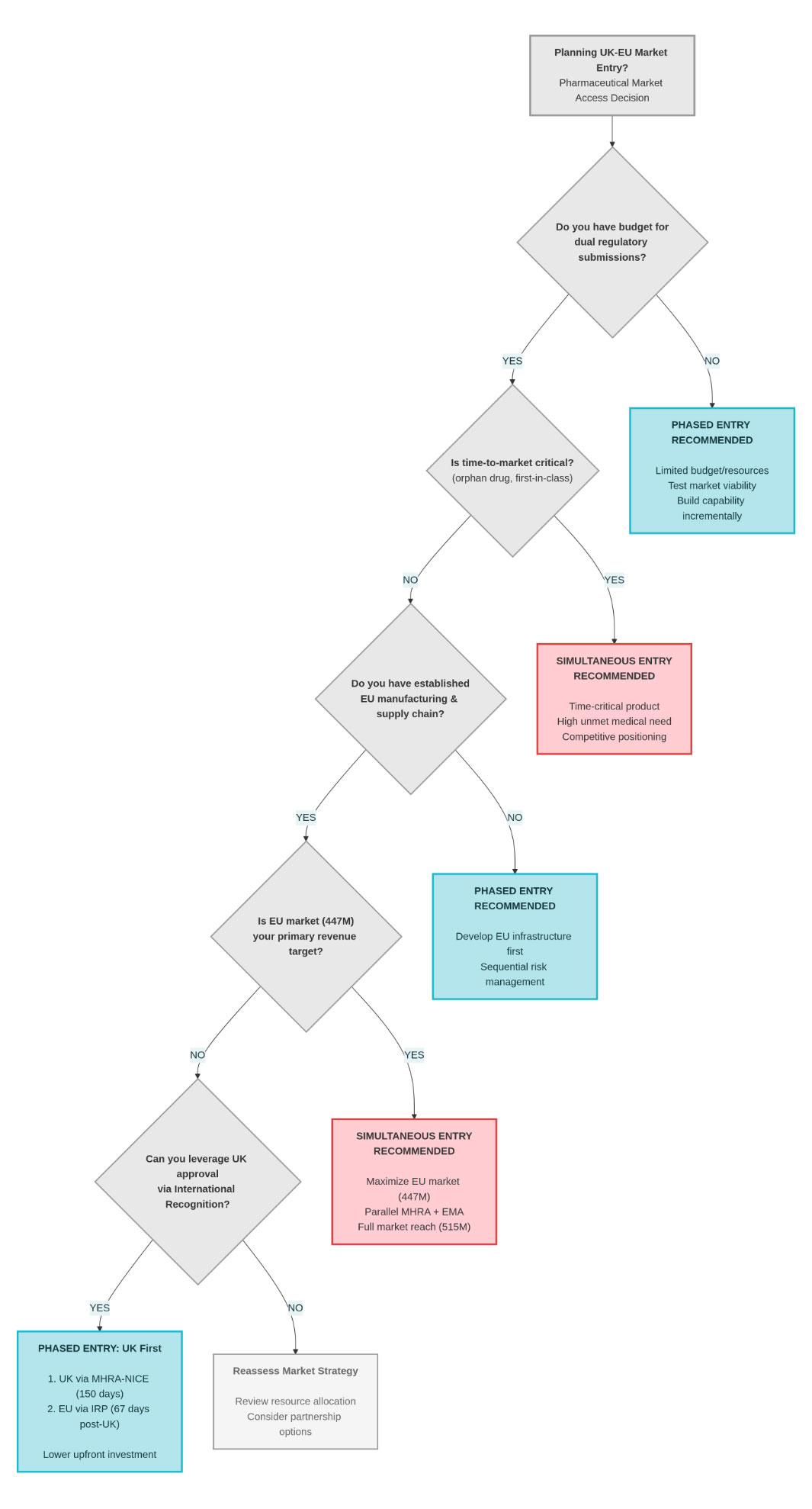
Figure 2. Phased vs Simultaneous Entry Decision Tree
* Click the image to enlarge
The Cost-Speed-Compliance Tradeoff
Cross-border market entry involves unavoidable tradeoffs between speed, cost, and compliance robustness.
Minimum Viable Compliance achieves authorization at lowest cost and fastest timeline by building precisely what regulations mandate. This approach minimizes upfront investment but creates fragility. Systems designed to minimum standards have no buffer when regulatory requirements tighten or when operational challenges emerge.
Robust Compliance Infrastructure exceeds minimum requirements with validated systems, redundant capabilities, and quality culture beyond procedural compliance. This requires greater upfront investment and longer implementation timelines but creates operational resilience and positions organizations favorably for future regulatory evolution.
Partnership Models offer alternative pathways. Companies lacking internal compliance capability can partner with established operators holding required authorizations and infrastructure. This enables faster market access without building complete internal systems but requires finding appropriate partners and negotiating commercial terms.
For parallel import operations specifically, many entrants utilize contract manufacturing organizations or third-party logistics providers with established MHRA licensing and GDP compliance rather than building these capabilities internally. This accelerates market entry while maintaining regulatory compliance through qualified partners.
The strategic choice depends on organizational objectives. Companies building long-term pharmaceutical operations require internal compliance infrastructure. Those pursuing specific market opportunities may optimize for speed through partnerships accepting reduced margin in exchange for faster, lower-risk entry.
Compliance as Competitive Advantage
In industries where regulatory barriers are low, compliance is cost burden. In pharmaceuticals, where regulatory barriers are structural, compliance capability becomes competitive moat.
Organizations that develop deep regulatory expertise, build robust quality systems, and maintain clean inspection histories achieve advantages competitors cannot easily replicate. Regulatory authorities demonstrate preference for proven operators when reviewing applications or conducting inspections. Customers preferentially engage suppliers with established compliance track records. Partnership opportunities flow to organizations with demonstrated regulatory capability.
This creates an unusual dynamic: compliance investment that initially appears as cost later functions as business development asset. The company that spent eighteen months building comprehensive quality systems before market entry operates with advantages the company that pursued minimum viable compliance to accelerate launch timeline does not possess.
Structural Observations
Cross-border pharmaceutical market entry rewards patience and front-loaded investment in regulatory capability over commercial urgency. Markets are not accessible simply because demand exists or arbitrage opportunities appear attractive. They become accessible when companies build compliant infrastructure enabling legal operation.
The companies that succeed in cross-border pharmaceutical operations are not necessarily those with largest commercial ambitions or most aggressive timelines. They are organizations that recognize regulatory compliance as the constraining factor, invest in building legitimate capability before pursuing revenue, and accept that proper infrastructure development requires time that cannot be compressed through capital or urgency.
This compliance-first orientation filters participants. It selects for organizations with discipline to build properly, resources to sustain pre-revenue investment, and realistic timelines accepting that market entry occurs when systems are ready rather than when commercial pressure demands.
Author Profile Information

Name: Vishal Chakravarty
Title: Founder & CEO, NovaPharm Healthcare Ltd
Contact (E-mail): vishal@novapharmhealthcare.com
Company Website: https://novapharmhealthcare.com/
Writing Portfolio: https://vishal.novapharmhealthcare.com/
Bio
Vishal Chakravarty is Founder and CEO of NovaPharm Healthcare Ltd (www.novapharmhealthcare.com), a UK-based pharmaceutical distribution company focused on parallel import operations and cross-border market access in post-Brexit regulatory environments.
He specializes in regulatory compliance strategy for UK-EU pharmaceutical distribution, with expertise in MHRA parallel import licensing frameworks, Good Distribution Practice requirements, and supply chain optimization under bifurcated regulatory systems. His work focuses on practical applications of pharmaceutical regulatory frameworks in cross-border operations.
He writes on UK-EU pharmaceutical regulatory divergence and parallel import operations at vishal.novapharmhealthcare.com.
Series Introduction
“The bifurcation of UK and EU pharmaceutical regulatory systems following Brexit has fundamentally reshaped market access pathways for pharmaceutical companies operating across both markets. This four-part column examines the post-Brexit regulatory landscape: the strategic advantages of UK-specific pathways including the newly integrated MHRA-NICE Aligned Procedure, the compliance implications of regulatory divergence, practical frameworks for parallel import operations under the Windsor Framework, and strategic decision-making for cross-border market entry. Readers will gain actionable insights into navigating dual regulatory systems and identifying market access opportunities in an increasingly fragmented European pharmaceutical environment.”
Series Title
“UK–EU Pharmaceutical Market Access and Compliance in the Post-Brexit Era”
- Article 1 UK and EU Pharmaceutical Market Access Pathways After Brexit
- Article 2 Regulatory and compliance considerations post-Brexit
- Article 3 Parallel import frameworks and risk considerations
- Article 4 Compliance-driven approaches to cross-border market entry
contents
- 【UK–EU Pharmaceutical Market Access and Compliance in the Post-Brexit Era】1.UK and EU Pharmaceutical Market Access Pathways After Brexit
- 【UK–EU Pharmaceutical Market Access and Compliance in the Post-Brexit Era】2.Regulatory and Compliance Considerations Post-Brexit
- 【UK–EU Pharmaceutical Market Access and Compliance in the Post-Brexit Era】3.Parallel Import Frameworks and Risk Considerations